Wrist Room: Drafting Cuffs for Gloves, Watches and Cold Mornings
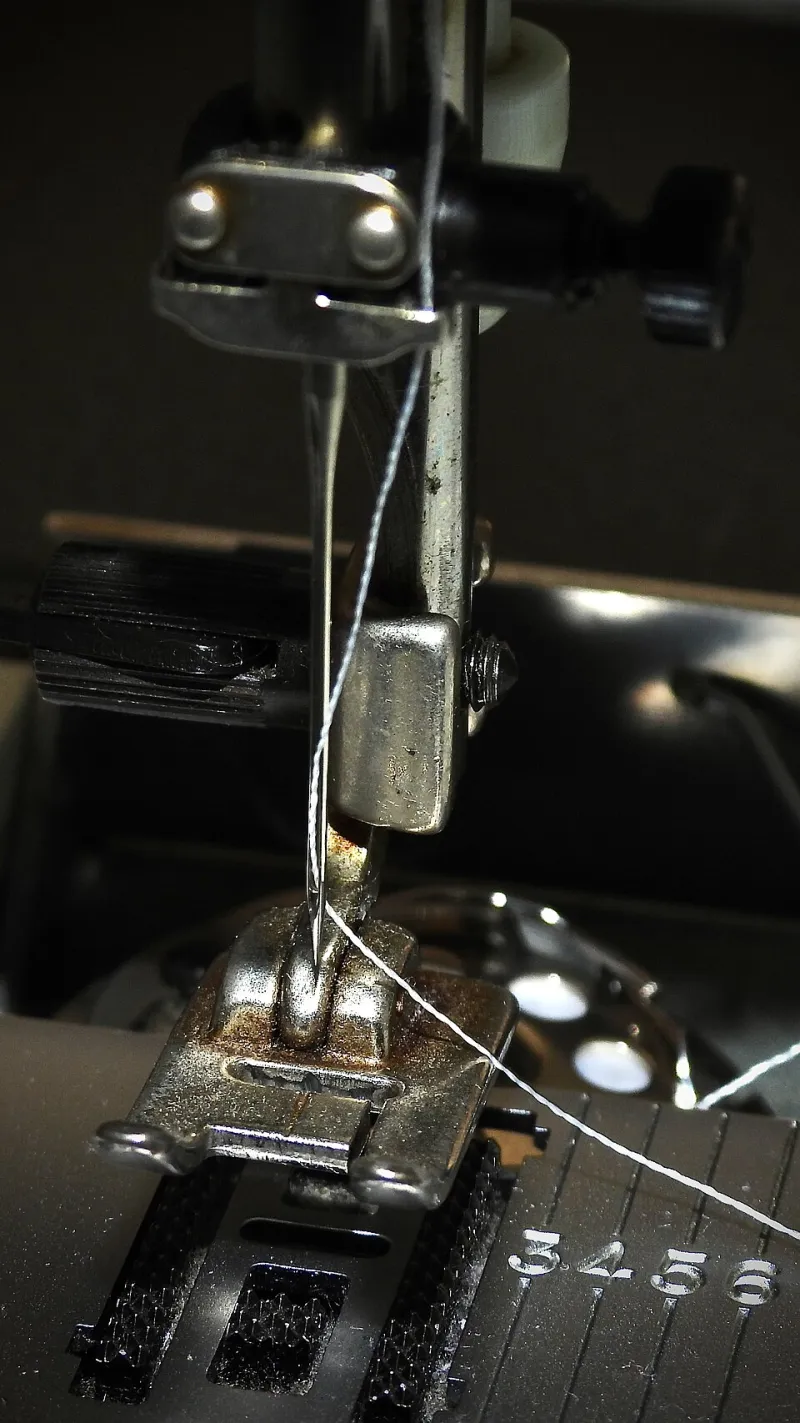
Photo: Stch2022, CC0, via Wikimedia Commons
There is a particular moment in a British winter when a beautiful sleeve stops being beautiful. You are at the bus stop, the wind is doing its worst, and you try to pull a glove on without taking your coat off. The glove bunches at the knuckles, the watch catches on the cuff, and the whole arrangement suddenly feels like it was drafted for a different person in a different life. If that sounds familiar, you are not bad at sewing. You have simply drafted a sleeve for a bare wrist, and winter has other plans.
At Bespoke Patterns, we are firm believers that a pattern should fit the life around the body, not just the body itself. That means the cuff needs room for gloves, clearance for a watch, and enough structure to keep the cold out when you are wrestling with a dog lead or a reusable coffee cup. So before you cut into your good wool, let us look at the humble sleeve opening as a proper fitting problem.
Start with the hand you actually have
A standard wrist measurement is a useful starting point, but it is not the whole story. Put on the gloves you reach for most often. Not the delicate ones for a wedding, and not the novelty reindeer pair somebody gave you in 2022. The everyday gloves: wool, leather, knitted, whatever keeps your hands working.
Measure around the widest part of your gloved hand, usually across the knuckles and the base of the thumb. Then measure around your wrist with your watch on, if you wear one. Note where the watch sits and how far it stands proud of the wrist. A chunky dive watch and a slim dress watch create very different clearance needs, and a cuff that ignores that difference will either drag or look strained.
While you are there, measure the sleeve opening of a coat you already wear comfortably over a jumper. That number is gold. It tells you how much room the real world has already negotiated for you.
Choose a cuff that can open, not just stretch
A simple elasticated cuff is brilliant for a casual sweat or a soft knit. It is less brilliant when you are trying to push a gloved hand through it, especially if the elastic is strong. Ribbing helps because it has more give, but ribbing and watches are not always friends. The watch can catch, twist, or leave a little dent in the knit that never quite recovers.
For winter sleeves, think about an opening that can actually change shape. A buttoned placket is the classic solution: it lets the cuff open wide enough for a glove, then close down again for warmth. A simple overlap cuff or a split cuff with a hidden press stud does the same job with less fuss. If you want the sleeve to stay put over a glove, a slightly longer cuff with a soft lining can be lovely, but it needs enough circumference to slide over the glove rather than shove it up your arm.
On a coat sleeve, a turn-back cuff can look smart, but check the lining. A slippery lining is easier to get over a watch than a wool facing. If you are drafting a coat with a deep cuff, leave a little extra ease at the opening and consider a soft, smooth facing against the wrist. It is a small detail that makes a real difference when you are pulling the sleeve down in a hurry.
The numbers to draft with
You do not need a maths degree, but you do need a few honest measurements. Start with the finished cuff circumference you want when the sleeve is closed. For a sleeve worn over a glove, that number should be larger than your gloved wrist measurement, not your bare wrist. Add room for the watch profile and for the glove fabric itself. A little ease is not sloppy here; it is what lets the cuff do its job.
If you are using ribbing, cut it shorter than the sleeve opening so it pulls in gently. A common starting point is around three-quarters to four-fifths of the opening length, but test it on a scrap first. Ribbing behaves differently depending on the fabric, and a firm rib can feel much tighter than it measures. For an elasticated cuff, do the same sort of test: fit the elastic to your gloved hand, then take it off and measure it flat. You want it to hold the sleeve in place without leaving marks.
For a placket, the length matters more than the width. It needs to open enough to let your hand through comfortably, especially when the glove is already on. Mark the placket on your toile and try it with the glove. If you cannot get your hand in without a fight, lengthen the opening before you add buttons. A button that is purely decorative is not doing a fitting job.
Test it dressed, not just pinned
A toile in a warm room with bare arms will tell you almost nothing about a winter sleeve. Put on the layers you actually wear: the jumper, the coat, the gloves, the watch. Do up the cuff. Then try the movements that break a bad sleeve: reaching forward for a bus rail, lifting a kettle, holding an umbrella, gripping a phone, pulling a glove off with your teeth because you forgot your keys. If the cuff drags the glove down, it is too tight or too long. If the watch catches, the opening needs more room or a smoother finish. If cold air pours up your sleeve when you raise your arm, you may need a closer fit at the wrist or a longer cuff.
This is also the moment to check the inside of the sleeve. A seam allowance that feels fine on bare skin can feel lumpy over a watch. Trim and finish it neatly, and consider a small facing or binding at the opening if the fabric is scratchy. Little comforts like that are why bespoke patterns are worth the effort.
Draft for the cold, then forget about it
The best winter cuff is the one you stop noticing. It lets you get your gloves on without a wrestle, clears your watch without a snag, and keeps the draught out when you are standing on a platform in a biting wind. That does not happen by accident. It happens when you measure the hand you actually have, choose an opening that can adapt, and test the sleeve in the clothes you really wear.
So before the shears come out, put your gloves on. Put your watch on. Reach for the coat. The pattern will be better for it, and so will your mornings.