Layers With Opinions: Drafting for a Body That Runs Hot and Cold
Photo: Unknown authorUnknown author or not provided, Public domain, via Wikimedia Commons
Some days the British weather is the least complicated thing in the room. You can be reaching for a cardigan at the bus stop, peeling off a scarf by the office kettle, and fanning yourself at a family lunch while everyone else says the heating is just right. For dressmakers dealing with hot flushes, Raynaud's, medication side effects or simply a body that runs its own contrary forecast, the usual layering advice can feel a bit hollow. The answer is not to sew a wardrobe of hospital-blanket neutrals or clothes that announce their practical purpose. It is to draft pieces with options built in.
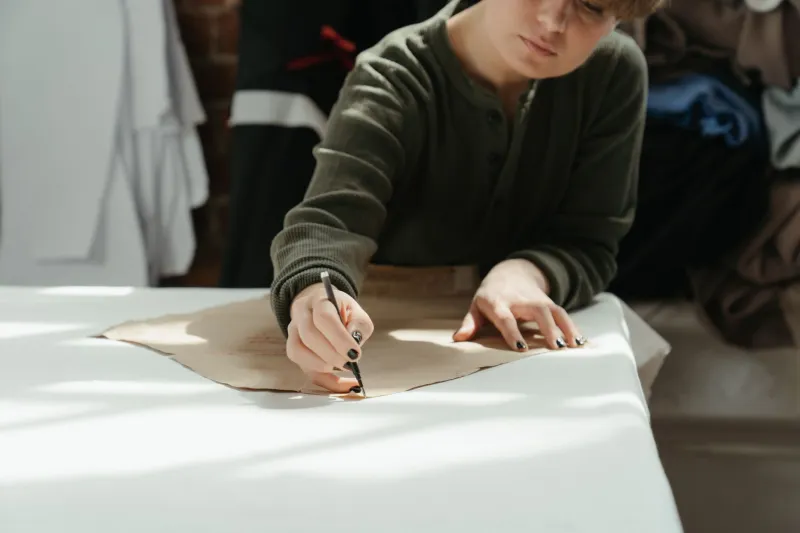
At Bespoke Patterns, we like the idea of a garment that has opinions about comfort but keeps them politely to itself. A wrap top can look like a wrap top. A vent can be a design line. A removable lining can be a quiet secret between you and the cloth. The aim is not to beat your body into a steady 21 degrees. It is to give yourself a few useful exits when the temperature changes without warning.
Start With the Day, Not the Diagnosis
Before you redraw a block, spend a week noticing what actually happens. Do you overheat across the chest and back first, or do your hands and feet go cold while your core stays fine? Does a high neckline feel unbearable by mid-afternoon? Are you layering over a vest, a camisole, a light jumper, or nothing at all? Write it down in the plainest terms you can. 'Too warm after ten minutes on the train' is more useful to a pattern than a vague resolution to dress more sensibly.
This is also the moment to look at the clothes you already reach for. That soft cotton shirt with the deep armholes may be doing more for you than the clever jacket you never wear. A favourite wrap dress may work because the front can be adjusted by a couple of centimetres without pulling. Your existing wardrobe is a fitting room full of evidence. Use it.
Three Tweaks That Look Like Design Choices
1. A Wrap Front With a Hidden Safety Net
A true wrap front gives you adjustable coverage at the neckline and waist, which is brilliant when your temperature is doing its own thing. The trouble is that some wrap tops gape, shift or need constant rearranging. Draft an inner tie or a hidden snap at the bustline so the outer wrap can be loosened without exposing anything underneath. You get the cool-down option of a lower neckline, but the garment still behaves like a considered piece of clothing rather than a scarf with ambitions.
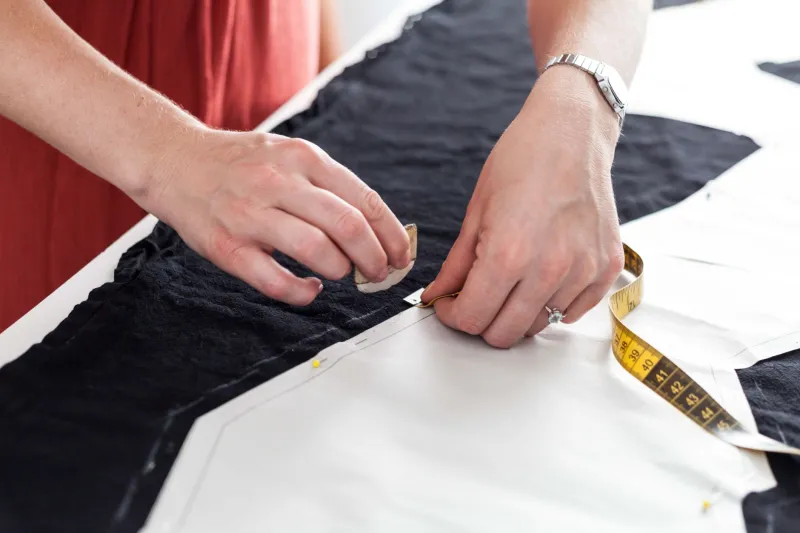
Keep the wrap edge clean and use a stable interfacing on the facing if the fabric is fluid. If you are working with linen or a lightweight wool, a narrow strip of self-fabric can be enough. The point is not to add bulk. It is to make the adjustable part feel deliberate.
2. Vents Where Heat Collects
Vents do not have to mean a dramatic split up the back. A small side-seam vent at the hem, an underarm gusset with a breathable panel, or a back-yoke vent can release warmth without changing the silhouette. On a shirt or blouse, a deep back yoke with a box pleat below it gives air somewhere to move. On trousers, a short side vent above the hem is useful if you sit for long stretches and find your legs overheating.
Test the vent in your toile by sitting, climbing stairs and reaching forward. If it flaps open in a way you dislike, shorten it or add a small tab and button so you can close it when you want a cleaner line. This is the sort of quiet detail that makes a handmade garment feel tailored to a real life rather than a still-life drawing.
3. A Removable or Partial Lining
Full linings can turn a good jacket into a sauna. Instead, consider a half-lining across the back shoulders, or a button-in lining that can be removed when your internal forecast changes. For skirts and trousers, a partial lining to the knee can reduce friction without adding heat all the way down. On a coat, a lighter body lining with a warmer sleeve lining can be a practical compromise for cold hands and a core that runs warm.
Use smooth, breathable lining fabrics and finish the removable section with a clean facing or bias binding. If you are not ready for a full button-in system, start with a simple hook-and-loop or snap placement at the shoulders and waist. The key is to make removal easy enough that you will actually do it, not save it for best.
Let the Fabric Do Some of the Work
Fabric choice matters as much as pattern shape. Look for breathable, natural fibres and sensible blends from UK-based suppliers where you can. A lightweight British wool can be warm without feeling stifling. Cotton poplin, linen unions, fine corduroy and brushed cotton all behave differently against the skin. For cold hands, a pair of simple wrist warmers in merino or a soft wool mix can be more useful than a heavier jumper. For flushes, a loose-weave linen or a light cotton voile layer next to the skin can make a surprising difference.
Wash and wear a small sample before you commit. Drape it over your arm for ten minutes, scrunch it, and see how it feels. Cloth that looks lovely on the table can feel clammy or scratchy once it is against your neck. This is not fussiness. It is research.
The Layering and Movement Test
When your toile is ready, try it on over the layers you genuinely wear on a changeable day: a vest, a thin long-sleeve top, a light jumper. Then do the ordinary things. Sit down for five minutes. Stand up. Reach for a high shelf. Walk up and down the stairs. Open a window. Make a cup of tea. Notice where the garment pulls, where heat builds, and where you want to loosen something.
Ask three questions. Can I adjust the neckline without the whole thing shifting? Can I sit and move without the seams digging in? Can I add or remove a layer without fighting the sleeves? If the answer is no, adjust the pattern now rather than hoping the finished garment will relax into it. A calico toile is a rehearsal, not a punishment.
Keep It Looking Like You
The most important test is whether you would wear the thing on a normal Tuesday. Practical details should disappear into the design. A wrap front can be elegant. A vent can be a seam line. A removable lining can be a secret. None of it needs to look medicinal, and none of it needs to be explained to anyone at the school gate.
Draft for the body you have this week, with its hot flushes, cold snaps and changing forecast. Then give yourself the fittings and the options to keep adjusting. That is the bespoke bit: not a perfect fixed shape, but a garment that knows the weather inside can change too.