Ten Washes Later: Drafting a Bespoke Fit That Survives the Shared Machine
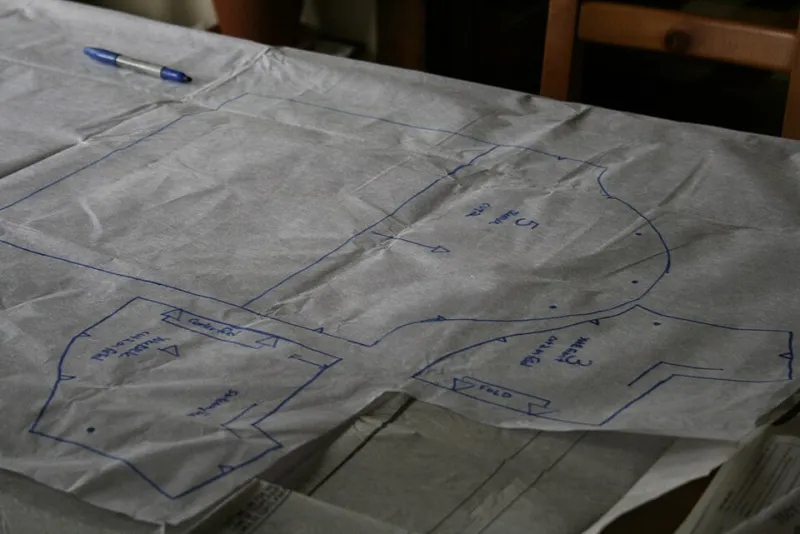
Photo: MissMessie, CC BY-SA 2.0, via Wikimedia Commons
The fit you cut is not always the fit you wear
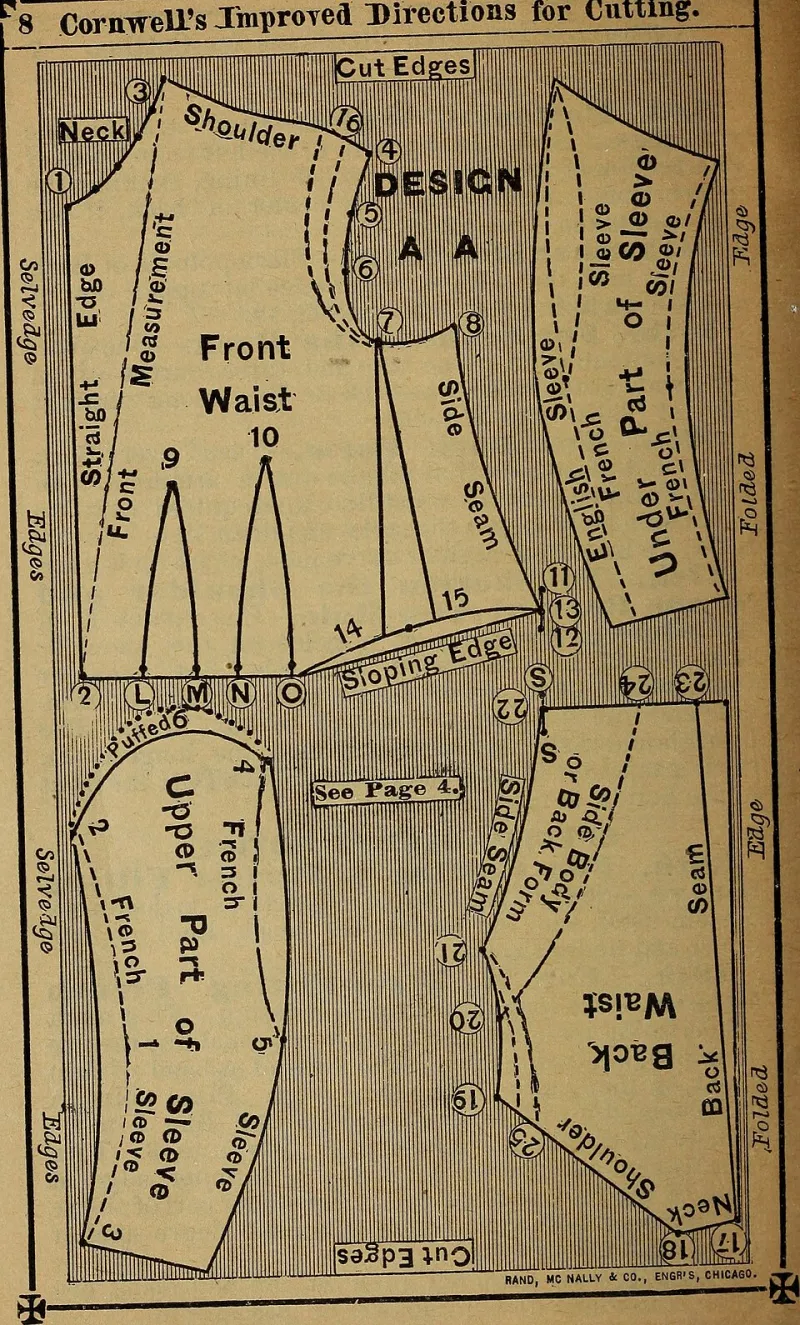
Most of us draft a toile, check the shoulders, sew the seams, then send the garment into the wild. But the wild, for a UK maker in 2026, is often a shared machine in a basement, a short cold cycle, a low spin and a radiator that doubles as a drying rack. The garment that fitted beautifully on the cutting table can come back from its first wash a centimetre shorter, slightly twisted and oddly stiff at the seams. That is not a sewing failure. It is a laundry brief you did not write into the pattern.
At Bespoke Patterns, we talk a lot about fit as a relationship between body and cloth. Laundry is part of that relationship. If you want a bespoke make to survive real life, you have to draft for the wash as seriously as you draft for the bust, waist and hip.
Start with a square of the actual cloth
Before you cut into your good length, cut a 30cm square and mark a 20cm square inside it with thread or a fine marker. Wash it exactly the way the finished garment will be washed: the same cycle, the same detergent, the same spin, the same drying method. Then measure the marked square again.
A five per cent shrinkage across 100cm is 5cm. That matters at the hem, at the sleeve and at the waistband. Cotton and linen often need two washes before they settle. Wool can shrink and felt if it meets heat or agitation. Viscose can shrink lengthways and then relax back when pressed. Shared machines are less predictable than the one in your kitchen, so if you use a launderette or a building-wide machine, assume a little more movement and build in a little more room.
Keep the numbers on the pattern envelope or in your master block notes. Do not simply size up. Adjust the length and width where the shrinkage actually happens, and remember that warp and weft rarely shrink at the same rate.
Ease is a laundry allowance
The most common laundry failure in a bespoke garment is not shrinkage. It is a fit that was already too close. A bodice that relies on negative ease, a waistband that has to be fastened with a deep breath, or a sleeve that fits like a glove will all feel different after a hot radiator and a short spin. Draft in what we call laundry ease: a little breathing room at the waist, hip and upper arm, not because the body has changed but because the cloth will.
If you like a close fit, use seam allowances as insurance. A 2cm side seam allowance can be let out after the first wash if needed. Avoid cutting away too much at the centre back or centre front. Keep the grainline honest, because a garment cut slightly off grain will twist more visibly after washing.
Seams that do not fight the wash
Seam finish is not housekeeping. It is engineering. A French seam is lovely on lightweight cotton and voile, but it can add bulk in a thick wool. A flat-felled seam is excellent for shirts and workwear because it is strong and neat. Overlocking is fine on many fabrics, but secure the thread tails properly or they will unravel in the machine. Bias-bound seams are a good choice when you want a clean inside and a little flexibility.
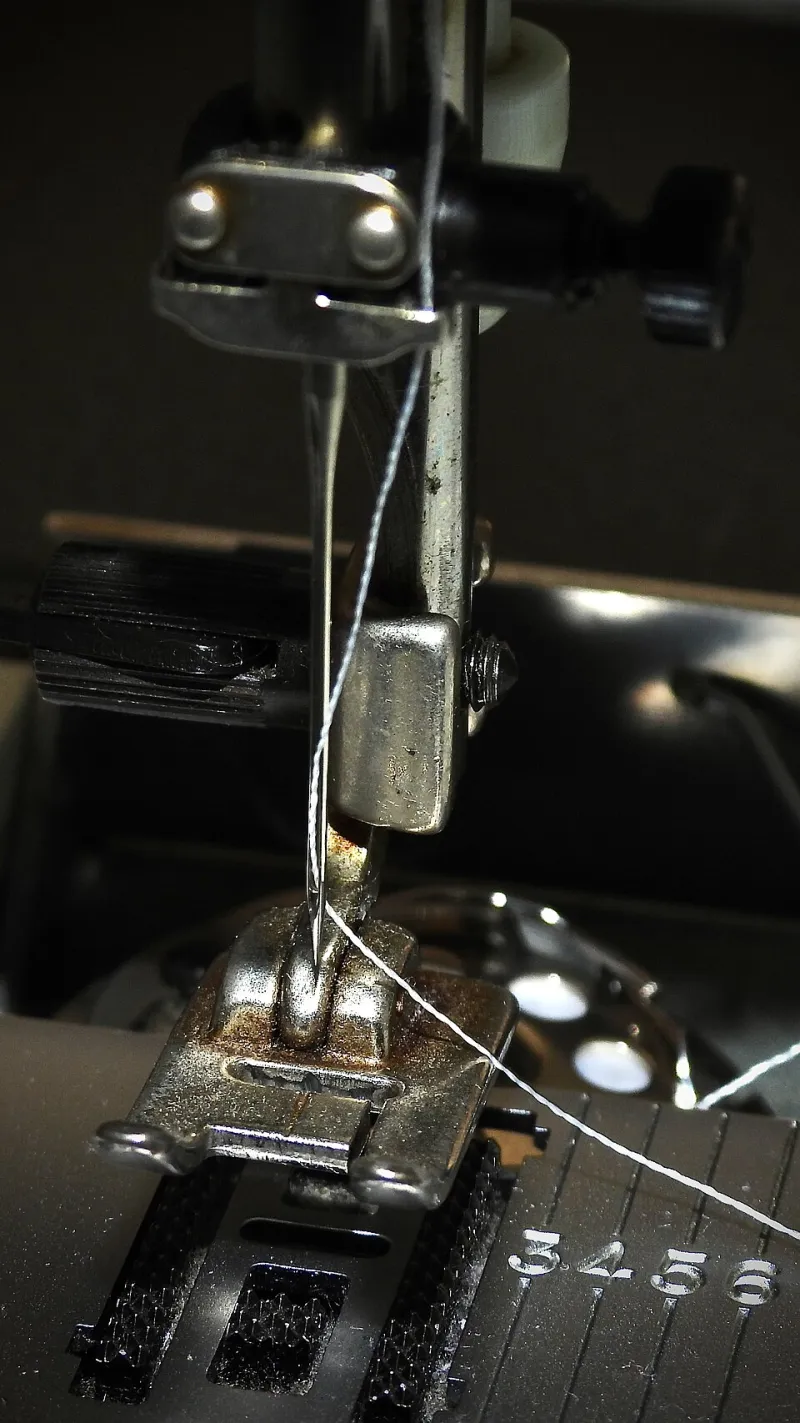
Think about thread too. A poor-quality thread can shrink, break or abrade before the fabric does. Test your interfacing as carefully as your main cloth; fusible interfacing that bubbles after one wash will ruin the look of a collar or waistband even if the fit is perfect. Block-fuse a sample and put it through the cycle.
Hems deserve depth. A deep hem has more weight and more room to be let down or re-stitched. A narrow hem on a bias-cut skirt can wave after washing. Catch-stitch or slip-stitch where you can, and avoid stiff hem tape on anything that needs to move.
Colour is part of the fit
Colourfastness sounds like a laundry issue rather than a drafting issue, but it changes how a bespoke garment reads. A dark indigo, a saturated linen or a bright print that bleeds into the background can make a carefully made piece look tired after a few cycles. Wash a sample with a white cloth. If the white cloth takes on colour, wash the finished garment separately, inside out, on the coolest setting you can justify, and consider a colour catcher.
A garment that fades evenly can be beautiful. A garment that fades in patches, or loses colour at the seams and hems, looks like a mistake. Pre-washing also removes some of the finish that makes new fabric feel stiff, so your toile will behave more like the final make.
Drying space is a drafting constraint
In a UK flat, drying space is often a radiator, a heated airer, a dehumidifier or a shared washing line that is not yours. Heavy wet garments stretch on hangers. Knitwear should dry flat. Wool coats and thick seams need air. If you know a garment will be dried on a radiator, draft it with shapes that dry quickly: separates rather than a heavy all-in-one, lighter layers, open weaves, and seams that can be pressed back into shape.
Add hanging loops where they help. Avoid huge pockets that hold water. If you are making a lined garment, give the lining enough ease to survive shrinkage and movement. A lining that is cut too tight will pull the outer shell out of shape after washing, even if the outer fabric behaves perfectly.
The ten-wash toile
You do not need to wash every toile ten times. But you do need to test the fabric, the interfacing and the seam finish. Make a small sample garment or a half-scale version of the stressed areas: waistband, cuff, collar, pocket opening. Wash it, dry it the way you will dry the real thing, press it, and check again. If the sample survives, cut the final with confidence.
A bespoke pattern is not a promise that nothing will change. It is a promise that change was considered. Ten washes later, the best compliment is not that the garment looks untouched. It is that it still fits, still hangs properly and still feels like yours.