Five Makes, One Wardrobe: Building a Bespoke Capsule That Actually Gets Worn

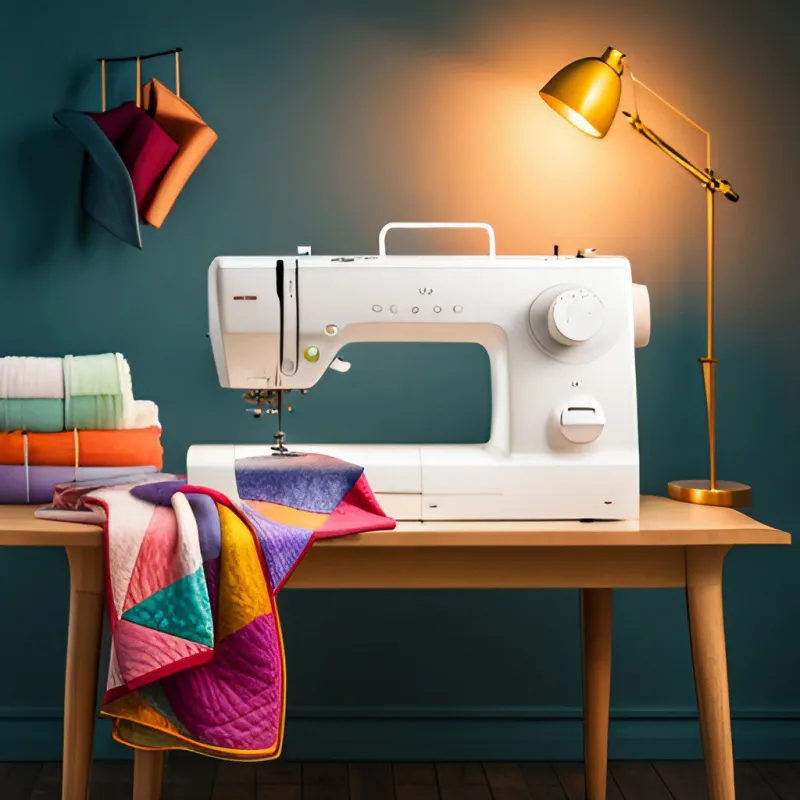
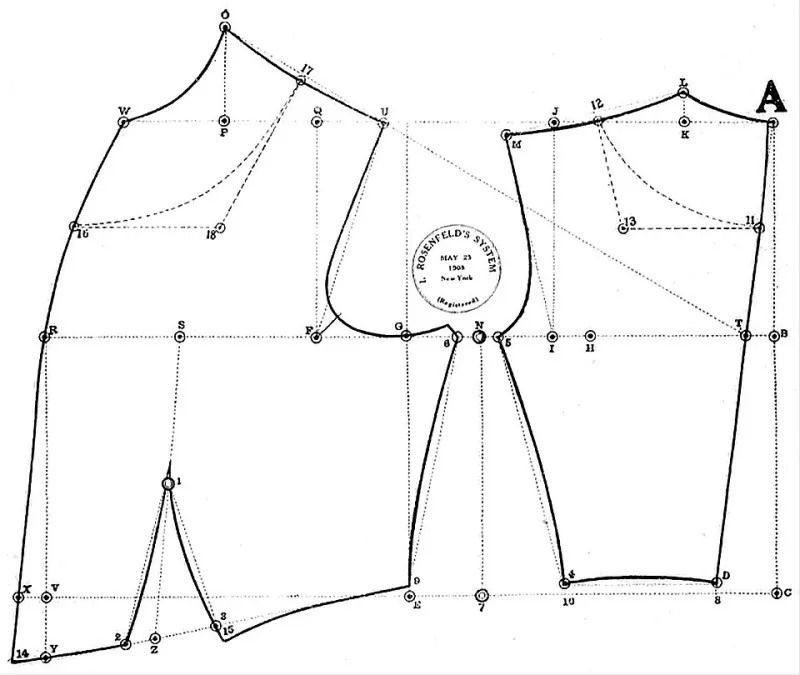
Photo: handmade capsule wardrobe sewing patterns fabric flat lay, via upload.wikimedia.org
A capsule wardrobe is not a personality test. It is a small, practical collection of clothes that get along. The sort of collection where you open the wardrobe on a dark November morning, pull out a top, a layer, and a bottom, and know they will work together without a committee meeting. For dressmakers, the temptation is to sew the exciting thing first and worry about the gaps later. That is how orphan makes happen.
At Bespoke Patterns, we like a capsule that is drafted, not bought. Five bespoke patterns, chosen to overlap, can give you a week of outfits without a single garment that only works with one pair of trousers and a very specific mood.
Start with the week, not the mood board
Before you pick a pattern, write down what you actually do. The commute. The office or the kitchen table. The school run. The supermarket. The pub on Friday. The Sunday walk that turns into a longer walk than expected. A capsule for UK daily life should cover at least three of those settings, not just the one where you are standing in a field in a linen dress.
Then pick a palette. Two neutrals, one grounding colour, and denim is a reliable formula. Navy and ecru, with olive or rust as the accent, will carry you through most of the year. It is not a rule, but it stops the capsule becoming a fancy-dress box. If you love colour, use it. Just make sure the pieces have a reason to meet.
The five-piece formula
These are pattern types, not brands. Choose drafts you can adjust, and make a toile before you cut the good stuff. The aim is not five perfect patterns. It is five patterns that make each other useful.
Piece one: the dependable trouser
A straight-leg or gently tapered trouser in cotton twill, wool blend, or corduroy. This is the workhorse. Adjust the rise so it sits where you want it, add pockets if the pattern allows, and check the seat and thigh room while seated. In navy or dark olive, it will wear with the jersey top, the overshirt, and the cardigan. That is already three outfits before you have tried.
Piece two: the everyday jersey top
A long-sleeve tee or simple knit top in ponte or cotton jersey. Tweak the neckline so it works under layers, and check the sleeve length against your coats. This is the base layer that makes the overshirt and the cardigan worth sewing. If the first one works, make a second in a different colour. A dependable top is not boring; it is infrastructure.
Piece three: the overshirt
A shirt-jacket in mid-weight cotton, linen blend, or light wool. It should have enough room to wear over the jersey top and, on colder days, a thin jumper. Patch pockets are practical and forgiving. Wear it open over the tee, closed under a coat, or tied at the waist if that is your thing. This is the piece that turns two garments into a layered outfit.
Piece four: the midi skirt
An A-line or straight midi in denim, corduroy, or wool mix. Pockets are non-negotiable for most of us. Check the length while walking and climbing stairs, not just standing in front of the mirror. It will wear with the jersey top, the overshirt, and the cardigan, and it gives the capsule a different silhouette from the trouser. In winter, add tights. In spring, lose the layer.
Piece five: the layer
A cardigan or simple unlined jacket in sweatshirting, boiled wool, or ponte. Sleeve length matters here, especially if you wear a watch or cycle. This is the piece that makes the other four wearable in a British cold snap. It should go over the tee, over the overshirt, and over the skirt without looking like an afterthought.
Fabric choices that survive British weather
Choose fabrics that layer without bulk. Cotton and linen are breathable; wool blends are warm; ponte has enough stretch to be comfortable on a long day. Pre-wash everything that will be washed, and think about how the garment will dry. A beautiful wool skirt that needs dry cleaning may not earn its place in a busy week.
Also consider how the fabrics behave together. A crisp cotton overshirt over a soft jersey tee is a useful contrast. A boiled wool cardigan over a cotton twill trouser is warm without being heavy. The capsule works when the fabrics have a conversation, not when they all shout at once.
Pattern tweaks that make the capsule work
Make one toile per pattern and fix the shoulder, waist, and hip before you go further. Then test the layers together. Put on the tee, the overshirt, and the cardigan in one go. If the armhole is tight or the sleeve catches, adjust the pattern now, not after you have sewn three pieces that cannot be worn together.
Small tweaks make a big difference. Lengthen the tee so it tucks without escaping. Add in-seam pockets to the skirt and trouser. Shorten a sleeve that fights your coat. Lower or raise a neckline so it sits comfortably under the overshirt. These are not dramatic pattern hacks; they are the practical adjustments that turn a pattern into a wardrobe member.
The orphan-make test
Before you cut, ask three questions. Does this piece go with at least three of the other four? Can I wear it with shoes I already own? Would I wear it on a normal Tuesday? If the answer is no, it is probably an orphan make. It might still be a lovely one-off, but it is not part of the capsule.
A capsule is not about deprivation or a uniform. It is about making fewer, better, more personal pieces. Five patterns, adjusted to your measurements and your actual week, can give you a wardrobe that feels like yours. That is bespoke in the truest sense: not a label, but a plan that fits.