The Daily Carry Edit: Drafting Pockets That Earn Their Place
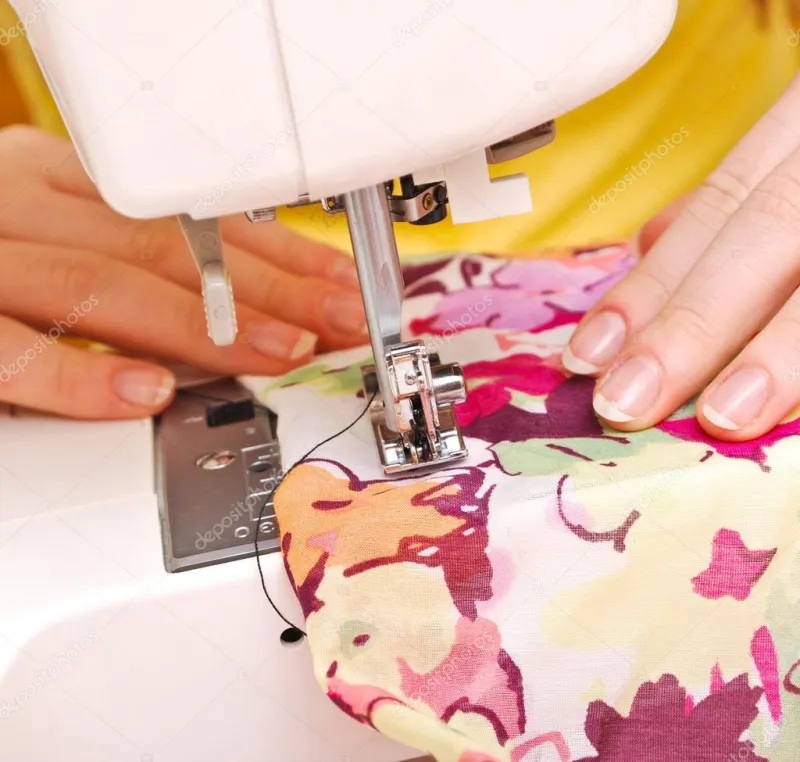
Photo: sewing pocket samples on calico toile with phone keys and measuring tape, via st.depositphotos.com
Most sewing patterns treat pockets as an afterthought: a pair of neat squares, a token welt, a side-seam opening that swallows a phone and then tips it sideways. But if you are making clothes for real life — the school run, the bus, the dog walk in fine drizzle — a pocket has a job to do. The good news is that pockets are one of the easiest things to hack. The better news is that a little planning turns them from decorative to genuinely useful.
At Bespoke Patterns, we like to think of this as bespoke sewing in its most practical form. You are not just adding a pocket; you are designing a small piece of daily infrastructure.
Empty your bag before you touch the pattern
Start by tipping everything out onto the table. Not the idealised version of what you carry, but the actual stuff: phone, keys, travel card, tissues, lip balm, glasses, dog treats, a folded shopping list, maybe a small packet of painkillers. Measure the real objects, not the idea of them. A phone in a chunky case might be 16 cm by 8 cm by 1.5 cm. A bunch of keys is a lumpy little cube. A contactless card or bus pass is around 8.5 cm by 5.5 cm.
Then sort your carry into groups. What needs quick access? What needs to be secure? What is bulky? What must stay dry? A phone wants a dedicated, slightly padded patch pocket with a reinforced opening. A travel card wants a slim hidden compartment. Keys want a secure zip or a deep, anchored pocket bag. Dog treats want something wipe-clean and easy to empty of crumbs.
This inventory matters because it tells you which pocket type to choose before you start redrawing pattern pieces. A flat patch pocket is perfect for cards and tissues. A bellows or expandable pocket handles bulk. A hidden zip pocket is your friend for anything valuable. A divided pocket can keep a phone separate from keys so the screen does not get scratched.
Place pockets where your body and your day agree
A pocket can be technically well made and still be in the wrong place. Before you cut anything, mark candidate positions on your toile. Avoid dropping a patch pocket straight across the fullest part of the bust unless that is a deliberate design feature. On dresses and tunics, high hip or just below the waist often works better than mid-thigh. On coats, an inside pocket should sit where your hand naturally falls, not so high that you have to fish for it.
Side-seam pockets need extra thought. In a lightweight dress or skirt, a heavy phone will drag the pocket bag down and pull the side seam out of shape. Anchor the pocket bag to the waist seam or a nearby vertical seam, and use a sturdy cotton for the bag itself. If the garment is unlined, finish the bag with French seams or a clean bagged lining so there is no raw edge waiting to fray.
For a hidden travel-card compartment, think about reach. Can you get a card out while wearing a coat and holding a shopping bag? Is the opening facing the right way? A small vertical opening set into a side seam or behind a patch pocket can be far more usable than a pretty but fiddly welt.
Four pocket builds that pull their weight
The phone patch pocket
Draft the pocket about 1 cm wider than the phone on each side and 1.5 cm taller at the top, plus seam allowances. Interface the top edge lightly so it does not stretch, and bag the lining so the inside is clean. Understitch the top edge, press well, and bar tack the corners. If the garment fabric is drapey, use a slightly firmer pocket bag and anchor the bottom corners to the garment with small stitches.
The hidden travel-card slot
This is essentially a second, narrower pocket layered behind a patch pocket or set into a seam. Make the opening just wide enough for two fingers and a card, and add a small piece of interfacing to stop the opening from stretching. Test it with the actual card. If you want extra security, add a flap or a small zip rather than relying on friction alone.
The dog-walk key pocket
A small zipped patch pocket on the inside waistband or side seam is ideal. Use a short zip, add a key clip or a loop of twill tape inside, and anchor the pocket bag to a seam so it does not swing about. This is also a good place for a spare poo bag or a folded note with your address on it. Practical, not glamorous, but deeply useful.
The inside coat pocket
A drop-in pocket bagged into the lining is a joy to use. Make the bag from a smooth cotton lining, interface the opening, and add a zip if you want security. Anchor the top corners to the lining seam allowances and check that the pocket does not sag below the hem. A coat pocket that holds a phone, a card, and a key without dragging is a small everyday luxury.
Bagging, lining, and a bit of structural honesty
There are two main ways to finish a patch pocket. The simple method is to turn under the seam allowances, press, and topstitch. It is quick and works well on sturdy fabrics. The bagged method is neater: place the pocket and lining right sides together, stitch around the edge, leave a turning gap, turn through, press, and understitch. It hides raw edges and gives a crisp top edge, which is especially useful on wool, linen, or anything that frays.
Whichever method you choose, think about load. A patch pocket attached only to a lightweight fabric will sag if you fill it with keys. Interface the opening, use a sturdy pocket bag, and anchor the pocket to a seam or waistband where possible. Bar tacks at stress points are not old-fashioned; they are common sense.
The toile test is non-negotiable
Pin paper or calico pockets onto your toile and fill them with the actual contents. Sit down. Stand up. Reach across your body. Put a coat on over the top. Walk around the room. Check the silhouette from the side and back. Mark the final position with thread or chalk, then photograph the toile so you remember what worked.
A pocket is a tiny piece of engineering, and the toile is your test lab. Get it right there and the final make will feel less like a pattern and more like your own well-organised life.