The Second-Hand Party Edit: Five Bespoke Upcycles for Festive 2026

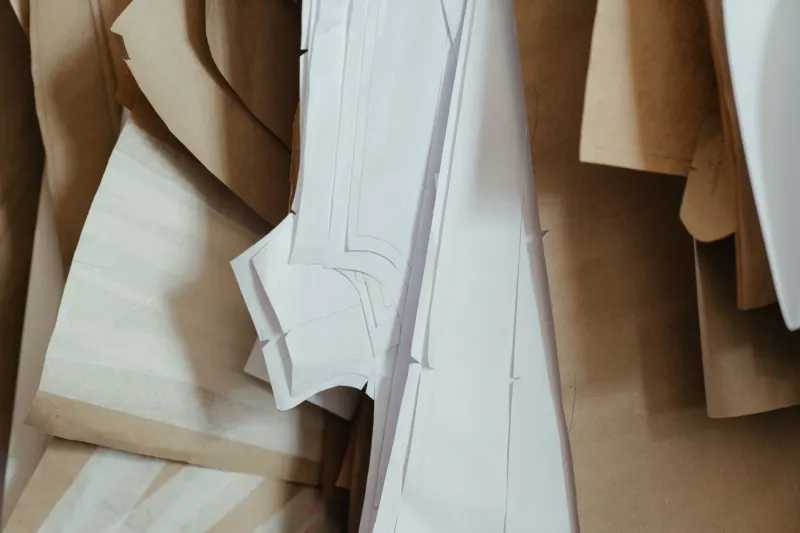
Photo: charity shop blazer upcycling sewing pattern flat lay, via www.firstbaptistmanley.com
Party season is expensive enough without adding a brand-new dress to the pile. In 2026, the charity shops are still full of possibility: men’s wool blazers with beautiful cloth, dresses with tired cuffs but lovely prints, and knits that deserve a second outing. The trick is not to buy something and hope it fits. It is to see the garment as fabric and potential, then use a bespoke pattern to make it yours.
Here are five upcycles for festive events, from office parties to pub quizzes and Boxing Day walks. Each one starts with an accessible charity-shop find and ends with a fitting adjustment that suits a real body, not a mannequin.
1. The men’s wool blazer → a party jacket with a secret lining
Find: an oversized wool or tweed blazer in good condition. Check the underarms and cuffs first; a bit of shine at the elbow is fine if you plan to shorten the sleeves.
Pattern: a simple single-breasted jacket block, or trace the blazer’s existing shape if you are confident. Shorten it to hip level and add a contrast lining cut from a vintage scarf or a charity-shop silk shirt.
Fitting tip: the shoulder seam should sit at the edge of your shoulder, not beyond it. Take in the side seams and centre back as needed, but keep enough room to wear a fine knit underneath. Check the sleeve length with your arms bent, as if holding a glass.
This is the project for anyone who wants a reworked blazer that feels deliberately tailored rather than borrowed. A bright lining flashes when you move and adds warmth without bulk.
2. The tired long-sleeve dress → bracelet sleeves with contrast cuffs
Find: a dress with a good body but worn cuffs or a slightly short sleeve. A charity-shop shirt in a complementary colour can donate the extra fabric.
Pattern: use the sleeve from a basic dress block, or lengthen the existing sleeve pattern by several centimetres. Add a deep cuff in the contrast fabric so the join looks intentional.
Fitting tip: check the bicep ease over a thin thermal or long-sleeve top. If the sleeve is tight, add room at the underarm seam rather than sizing up the whole dress. Make sure the armhole still allows you to reach forward without pulling the bodice across the bust.
Lengthened sleeves are one of the easiest ways to make a summer dress feel festive. The contrast cuff also hides any marks or wear at the original hem.
3. The plain midi skirt → a bias-cut party skirt with a slip lining
Find: a wool, crepe or heavy viscose midi skirt in a colour you love. Look for stains near the hem; you may be able to cut around them.
Pattern: a simple bias-cut skirt block. If the skirt is large enough, recut the panels; if not, use the existing skirt as the front and back and add a lining made from a charity-shop slip.
Fitting tip: bias grows with wear, so make a quick toile and hang it overnight before hemming. Check the hip curve when seated, and add a waist stay if the skirt feels heavy. A lining should be slightly shorter than the outer skirt so it does not peep out.
A custom lining is a small luxury that makes a second-hand skirt feel bespoke. Choose a colour that makes you smile every time you catch a glimpse of it.
4. The oversized knit → a cropped party layer
Find: a men’s lambswool or cashmere jumper in a good colour. Felted patches can be cut around; moth holes near the hem can be hidden by shortening.
Pattern: a boxy cropped jumper or cardigan block. Use the existing ribbing for the neckline if you can, and bind the cut edges with a strip of matching knit.
Fitting tip: check the armhole depth over a slip dress or fitted top. If the jumper is too wide, take in the side seams but keep the sleeve roomy enough for dancing. Cropped layers work best when they sit at the high hip, not the waist, so you can raise your arms without flashing the room.
This is the piece to wear over a slip dress with boots, or with wide-leg trousers for a pub lunch. It is warm, maker-friendly and far more interesting than another fast-fashion knit.
5. The men’s evening shirt → a tie-front party blouse
Find: a dinner shirt or crisp cotton shirt with a good collar and maybe a mark on the cuff. You will not need the cuffs if you are recutting.
Pattern: a tie-front blouse or wrap top with a shaped bust. Use the shirt fabric for the body and cut the ties from the sleeves.
Fitting tip: check the bust apex and back neck carefully. Men’s shirts often have extra room at the waist and a straight back; add a bust dart or princess seam if needed. Make the ties long enough to wrap comfortably, and test the neckline when you bend forward.
A tie-front blouse looks excellent with velvet trousers or a bias skirt. If the shirt has mother-of-pearl buttons, keep them and use them down the front for a bit of unexpected glamour.
Fit the find, not the label
Charity-shop sizing is unreliable, so ignore the label and measure the garment flat. Compare those measurements with a pattern you already know fits, and make a quick toile in cheap fabric before cutting into the good stuff. Adjust the bust, waist and hips separately; a second-hand garment often has more room in one area than another.
Also check the fabric’s condition in daylight. Look for weak seams, hidden stains and wear at the underarms. Plan your pattern pieces around the flaws rather than pretending they are not there. And keep the leftovers: a collar, a cuff or a row of buttons can become a trim, a pocket or a closure on another project.
Festive 2026 can be about cleverness rather than consumption. A charity-shop find, a fitted toile and a bespoke pattern adjustment can give you a party piece that no one else will be wearing—and that feels entirely like you.